
Implementation of Tube Laser Cutting
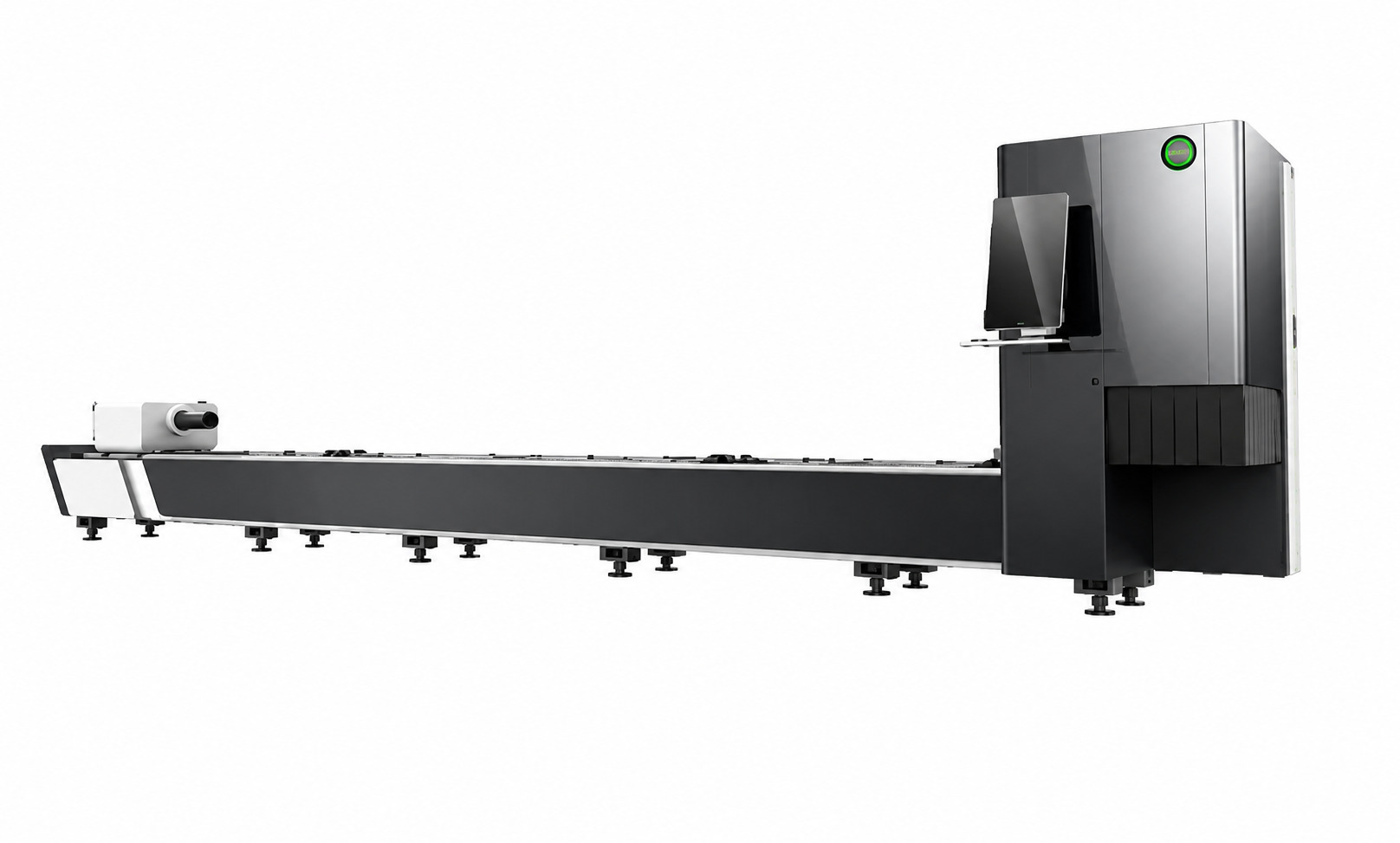
Overview
As part of my continuous manufacturing improvement responsibilities at Dekobo, I was tasked with identifying production bottlenecks and developing practical solutions to reduce manufacturing lead time. One of the most significant bottlenecks involved the fabrication of welded rectangular tube structures, which relied on manual cutting, drilling, and measurement.
The project evolved from investigating an entirely new product architecture to ultimately introducing tube laser cutting as a more effective way of improving the existing manufacturing process.
Project Development
The initial objective was to eliminate the bottleneck altogether by replacing the welded rectangular tube structures with an alternative construction method. After evaluating different concepts, I proposed using glass fibre reinforced plastic (GFRP) panels as the primary structural element.
Together with the production team, we developed a complete fastening concept and manufactured a prototype pool cover using the new construction. Functionally, the concept proved successful and the installed unit continues to operate reliably.
However, further evaluation revealed several manufacturing disadvantages. The panels had to be purchased in large formats to accommodate custom pool dimensions, creating storage and handling challenges. Cutting the material required specialised diamond tooling, generated significant amounts of dust requiring dedicated extraction, and introduced additional production complexity. Furthermore, internal stresses within the composite material caused slight deformation after cutting, making it difficult to achieve the dimensional consistency required for production.
Although the concept was technically successful, it became clear that it would not simplify manufacturing.
Manufacturing Process Optimisation
Rather than replacing the existing product architecture, I shifted the focus toward improving the manufacturing process itself.
The existing production method relied on manually measuring, cutting, and drilling rectangular steel tubes using conventional workshop equipment. I identified tube laser cutting as an opportunity to automate these operations while significantly improving speed, repeatability, and accuracy.
After presenting the proposal internally, I received approval to investigate suitable equipment and lead the supplier selection process.
Machine Selection and Implementation
I contacted several tube laser manufacturers, discussed technical requirements with their engineering and sales teams, and evaluated multiple machine configurations. Following a technical and commercial comparison, I prepared the final recommendations for management, leading to the selection of a tube laser machine supplied by Bodor Laser.
By the time I left the company, the machine had been delivered, installed, and prepared for commissioning. The system has since entered production, significantly improving manufacturing efficiency and reducing production lead time.
Outcome
The project demonstrated the value of evaluating engineering solutions from both a technical and manufacturing perspective. Rather than pursuing a technically viable concept that introduced new production challenges, the final solution focused on eliminating the original bottleneck while preserving the existing product design.
Leading the concept evaluation and machine selection process strengthened my experience in manufacturing engineering, supplier evaluation, process optimisation, and making engineering decisions based on practical production considerations.